Exploring Local Indigenous Practices in California
California is home to a rich tapestry of Indigenous cultures, each with unique practices that offer valuable insights into sustainable living and community resilience. This article delves into these local Indigenous practices, emphasizing their significance and practical applications.
Understanding Indigenous Practices
Indigenous practices in California are deeply rooted in the local ecology and community traditions. These practices often involve a holistic understanding of the land, emphasizing sustainability and harmony with nature. According to research by the California Native American Heritage Commission, many Indigenous communities have utilized agricultural techniques that promote biodiversity and soil health for centuries.
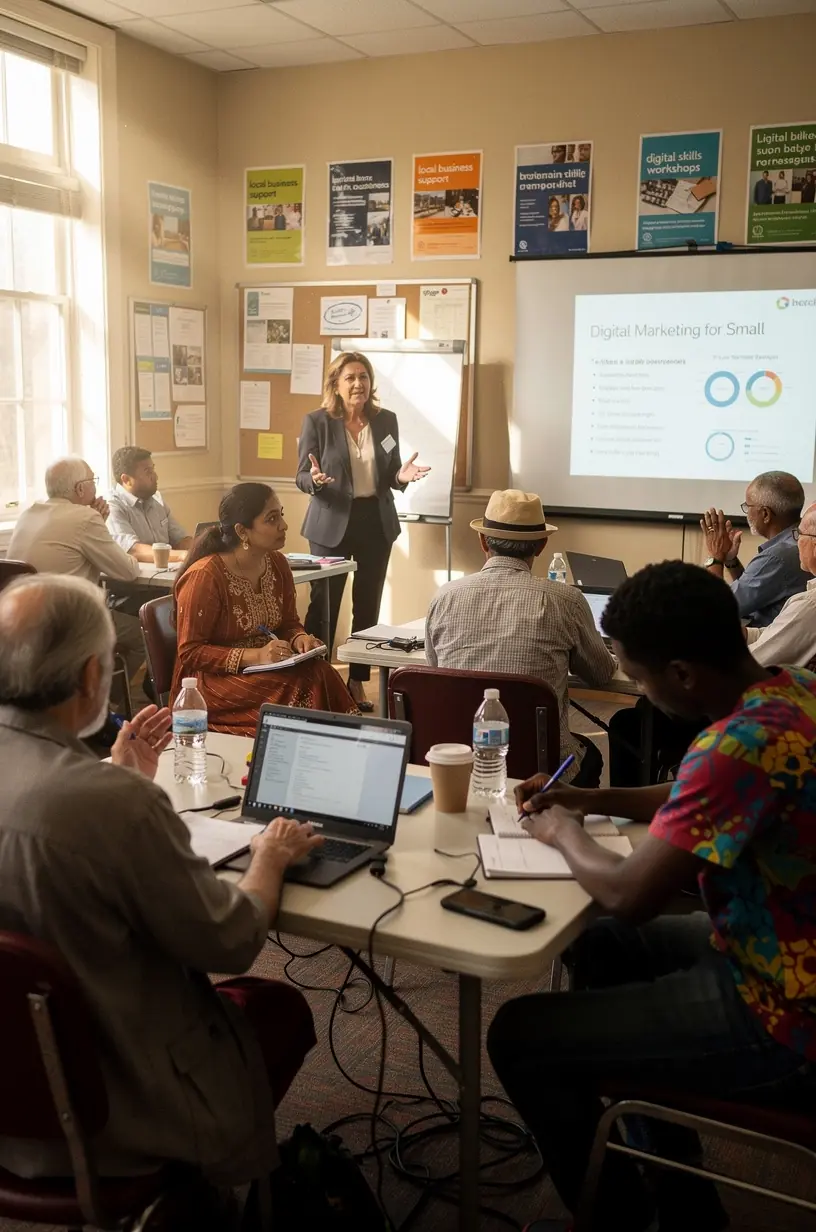
"Indigenous knowledge systems are essential for understanding how to live sustainably in California's diverse ecosystems."
Key Practices and Their Impact
Several Indigenous practices stand out for their effectiveness and relevance in today's context. Here are a few notable examples:
- Controlled Burns: Many Indigenous tribes, such as the Yurok and Karuk, traditionally used fire as a land management tool. This practice reduces the risk of larger wildfires and promotes the growth of certain plant species. Research shows that controlled burns can enhance biodiversity by creating a mosaic of habitats.
- Acorn Harvesting: Acorns have been a staple food source for California's Indigenous peoples. Sustainable harvesting techniques, involving careful selection and processing, are crucial to maintaining the health of oak ecosystems. Experts recommend these methods as a way to ensure food security while preserving natural resources.
- Herbal Medicine: Indigenous communities possess extensive knowledge of local flora and their medicinal properties. This practice not only contributes to health and wellness but also fosters a deeper connection to the land. According to studies, integrating traditional herbal medicines with modern healthcare can enhance patient outcomes and expand treatment options.
Challenges and Considerations
While these practices are effective, they also face challenges. Many Indigenous communities are working to revive traditional practices in the face of modern pressures, such as urbanization and climate change. Engaging with these communities requires a commitment to understanding their cultural contexts and respecting their knowledge systems.
Conclusion
Exploring and integrating local Indigenous practices can provide valuable lessons in sustainability and community resilience. By acknowledging the wisdom embedded in these traditions, we can foster a deeper respect for the land and its original stewards. This exploration not only honors Indigenous voices but also contributes to a more sustainable future for all Californians.