How Local Economies Adapt to Environmental Changes
In the face of climate change and environmental challenges, local economies in Canada are finding innovative ways to adapt. This article explores the strategies communities employ to maintain economic stability while addressing ecological concerns.
Understanding the Basics
Local economies are often heavily influenced by environmental factors. According to research, changes in climate can lead to shifts in agricultural productivity, resource availability, and tourism patterns. Experts recommend that communities begin to prioritize sustainability to mitigate these impacts. This approach not only secures resources for the future but also helps in building resilience against change.

"Communities that invest in sustainable practices typically experience greater economic stability in the long run." - Environmental Economics Journal
Practical Adaptation Strategies
Local economies across Canada are employing various strategies to adapt effectively to environmental changes. Here are some noteworthy approaches:
- Diversifying Economic Activities: Many communities are moving beyond traditional industries. For instance, areas that have relied on agriculture are incorporating eco-tourism and local crafts. Studies show that diversifying can reduce vulnerability to economic downturns caused by climate variability.
- Investing in Renewable Resources: Transitioning to renewable energy sources, such as solar or wind, is becoming increasingly common. According to industry standards, this shift can lead to long-term cost savings and energy security.
- Enhancing Local Food Systems: Strengthening local food systems can help reduce dependence on external suppliers and decrease carbon footprints. Research indicates that communities with robust local food networks often see improved food security and economic resilience.
Community Engagement and Education
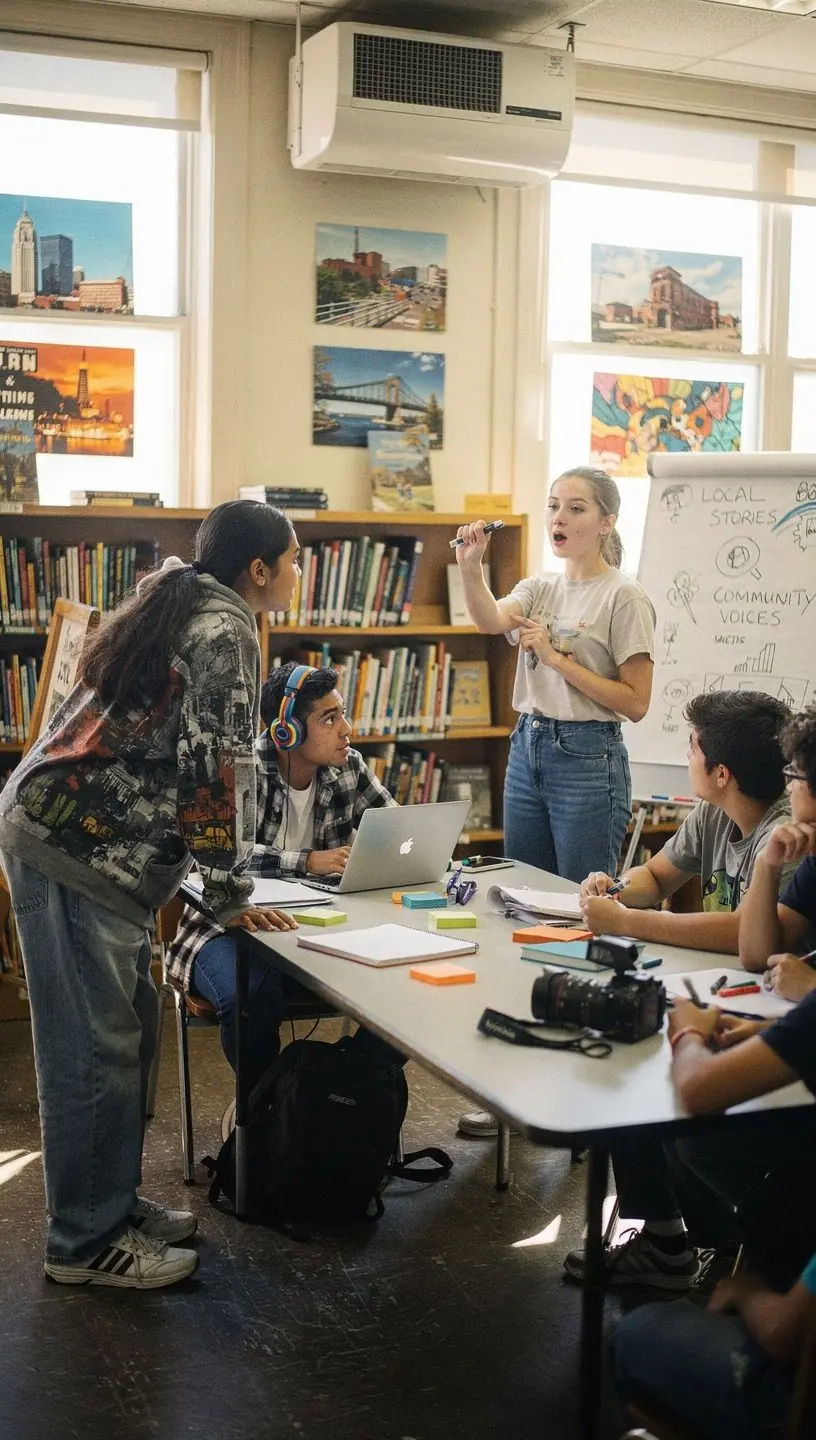
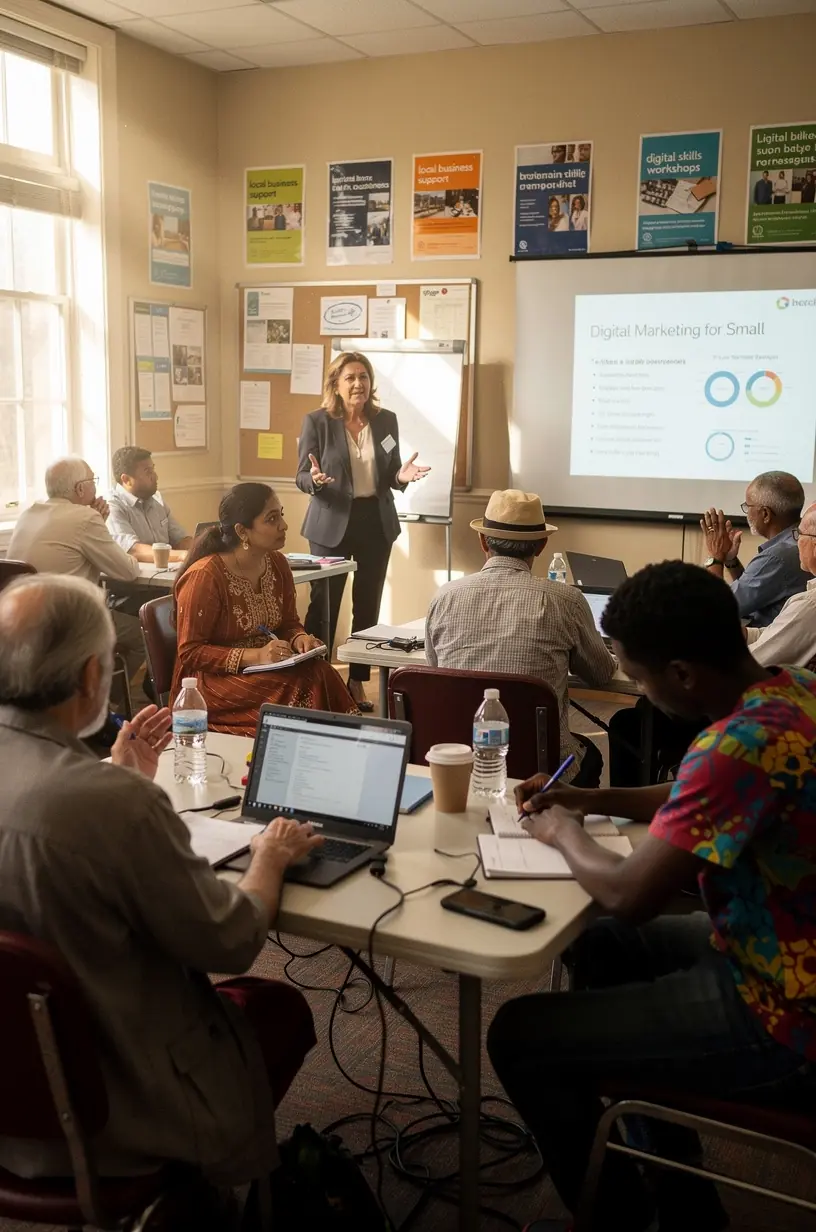
Community engagement plays a vital role in adapting to environmental changes. Many experts suggest that increasing public awareness and involvement can lead to more sustainable practices. Educational initiatives, such as workshops and local forums, are often used to inform residents about the importance of sustainability and how they can contribute.
In most cases, these educational programs require ongoing dedication and involvement from community members. Research indicates that active participation can lead to more innovative solutions as residents share their experiences and ideas.
Challenges and Limitations
While there are many promising approaches, it is important to acknowledge the challenges local economies face. Limited funding and resources can hinder the implementation of sustainable practices. Additionally, some initiatives may take time to yield visible results. Experts suggest that communities prepare for a gradual transition, typically expecting changes to manifest over several years.
"Adaptation requires patience and ongoing commitment; it is not an overnight solution." - Dr. Karen Smith, Climate and Economy Expert
Conclusion
In summary, local economies in Canada are adapting to environmental changes through diverse strategies that promote sustainability and resilience. By understanding the challenges and engaging communities in educational efforts, these economies can create pathways for both economic and environmental health. While the journey may be slow and complex, the potential benefits of fostering a sustainable local economy are significant and long-lasting.
Discover More